“WORKFORCE"
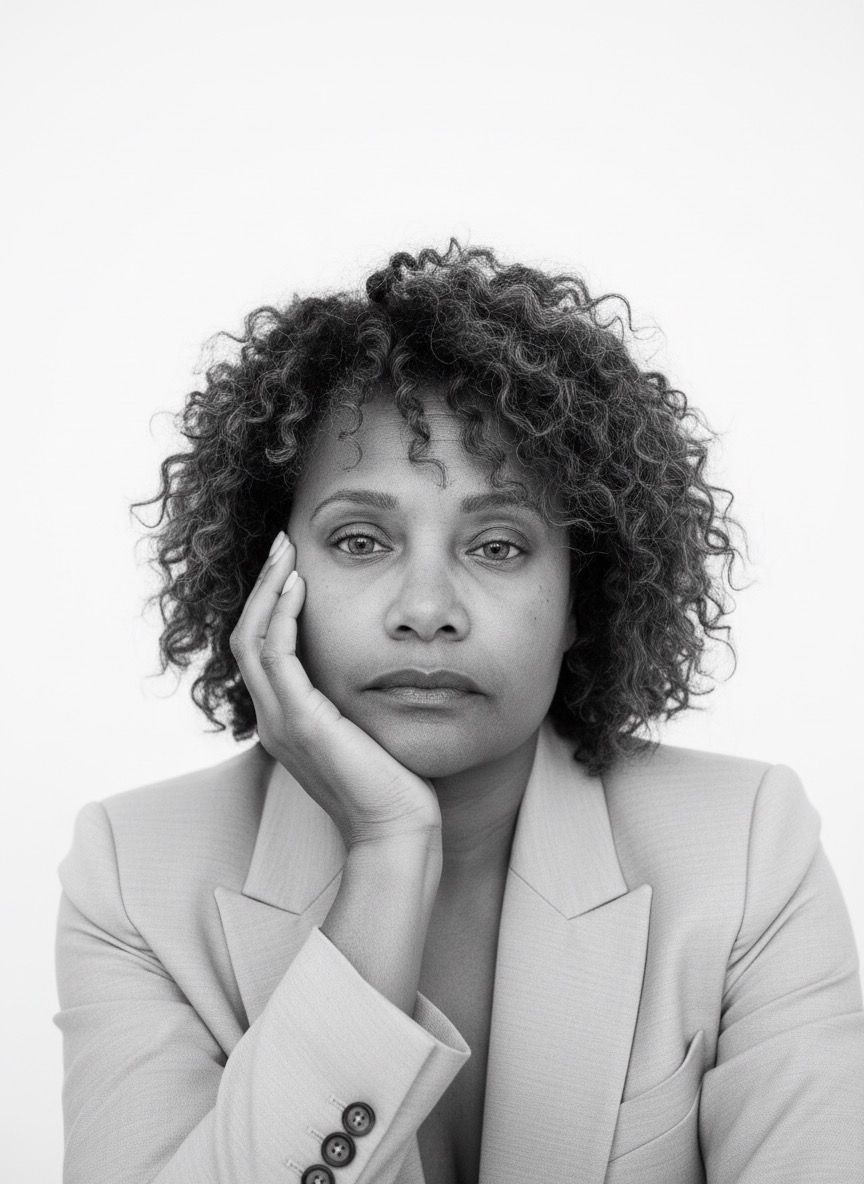
“Melody Fogarty"
America is caught in the middle of a chaotic remix as 2026 opens—an economic sugar high fueled by tax cash-outs colliding with regime-driven political cage matches between Washington power brokers and sovereign states. What looks like momentum on paper feels like instability in real life.
While global blocs like BRICS expand their influence and quietly reposition the world economy, millions of Americans are still tethered to a domestic 9-to-5 model that no longer guarantees security, dignity, or provision. This emerging new world order is not just economic or political—it exposes misplaced trust in fragile systems.
For generations, the American workforce was taught that faithfulness to one employer would yield stability. Work hard. Stay loyal. Retire safely. But reality shows systems rise and fall, while wisdom calls us to discern the season. You do not know what tomorrow will bring, yet many cling to institutions as if immovable.
Federal directives on borders, healthcare, and social services are being challenged state by state, producing political whiplash that spills directly into local job markets. Industries stall while lawsuits fly. Funding freezes. Contracts disappear. Jobs evaporate in the crossfire.
Yes, economists project growth—GDP numbers suggest resilience. But inflation continues to erode household budgets. Groceries, rent, insurance, and transportation tell a different story than headlines. Gig work slows. Wages struggle to keep pace. For working families, resilience is tested not in religious institutions but at kitchen tables.
At the same time, America’s foreign posture has shifted toward transactional alliances, particularly in its rivalry with China. Longstanding partnerships strain. Stability feels temporary. The global economy no longer revolves around one flag.
This moment demands discernment, not fear. Work has always been more than employment—it is stewardship. And stewardship requires adaptation. History shows preparation during plenty pays off. Proverbs commend those who observe conditions and act wisely. Blind loyalty to a collapsing model is not strategy; it is inertia.
The loyalty-to-the-corner-office mindset is fading, and a new workforce reality is emerging. Workers who are thriving now are learning skills online, earning certifications, building portable income, and positioning themselves for remote and global work. They are diversifying income streams, strengthening emergency reserves, and refusing to let geography define their future.
This is not about abandoning responsibility or community. It is about strategic provision, planning, and leading households wisely. Remote work with international employers, global freelance contracts, and digital trade skills are becoming modern equivalents of flexible, mobile tools resilient and adaptable.
The contrast is clear.
Those dependent on a single local employer are increasingly vulnerable. Those building global, skill-based income are gaining margin.
Those saving leftovers are struggling. Those building six-month reserves are breathing easier.
Those ignoring global shifts are reacting late. Those paying attention are positioning early.
This is not a rejection of patriotism. It is a rejection of illusion.
Strategy does not require clinging to failing systems. It requires wisdom and courage to move when conditions change. The political theater will continue. Economic contradictions will deepen. Institutions that once promised certainty are struggling to deliver it.
This season is calling workers and leaders to lift their eyes beyond familiar borders and rethink how provision flows. The exits are not reckless. They are strategic.
The circus will stay loud. But those who listen closely to data, to trends, to the signs of the times can exit early, prepared and unshaken.
And in doing so, they will not just survive this era. They will master it well.
Sparkman Articles