We Need to Talk About
Mental Health
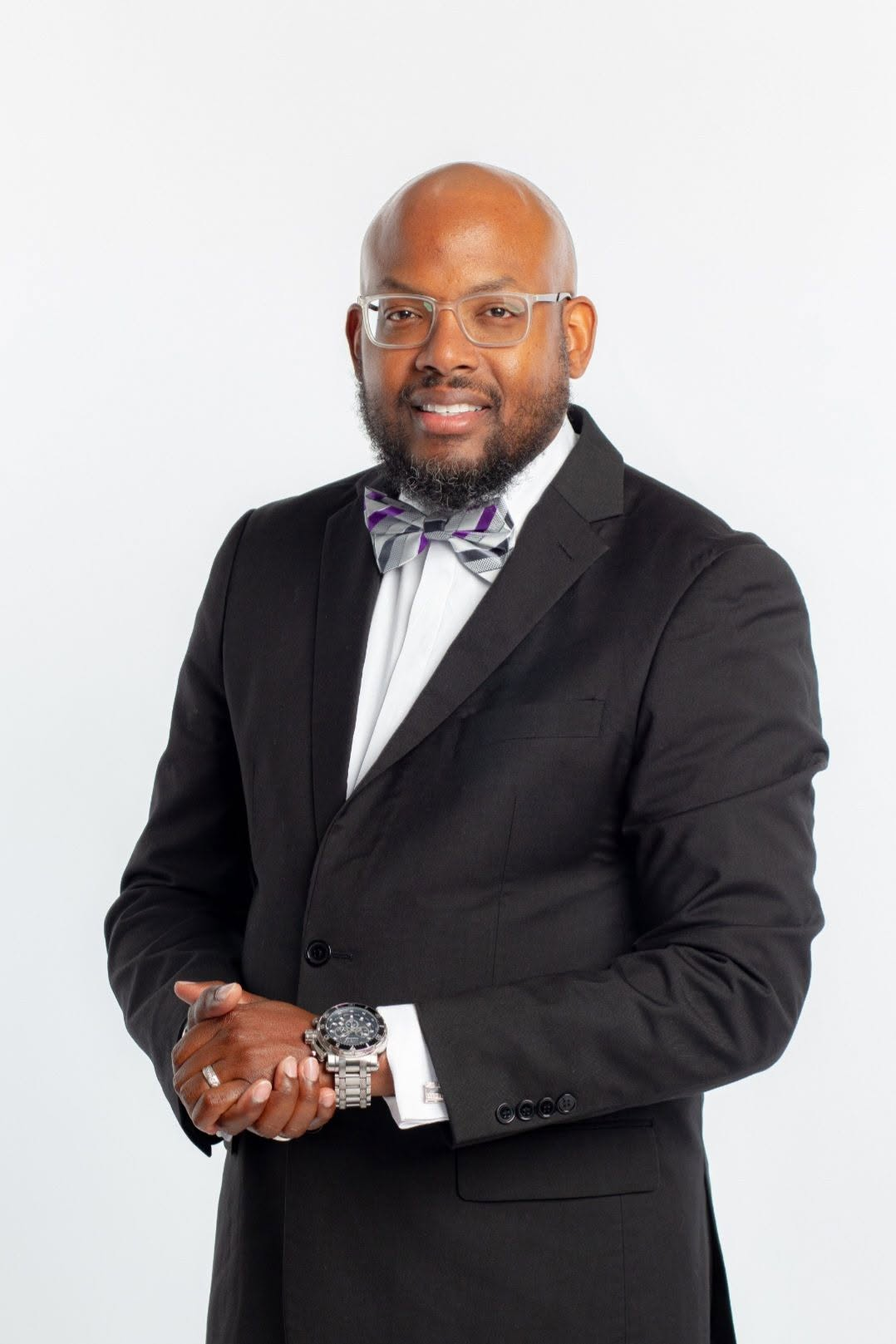
"Roger Whittler, LPC"
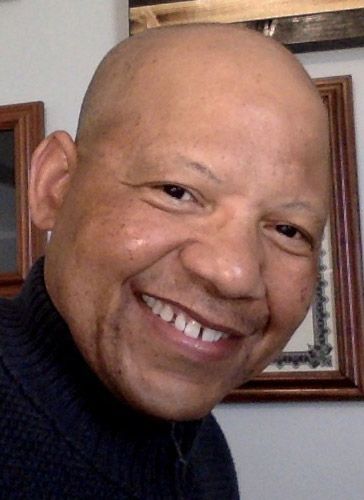
As America struggles with what many call a mental health crisis, I think it is time to advocate for change in how mental health is addressed. As a result of a myriad of decisions made by political leaders, community leaders, organizations and wealthy stakeholders, the overall mental health of Americans has suffered, and mental health services have become harder to get. We need to talk about what works, and a use a question I frequently ask in family counseling sessions, “what is the smallest thing we can do?” As a parent, friend or family member, what can be done? For Black History Month, I want to reflect back on my childhood, a time when mental health services were readily available, no insurance, no diagnosis or appointment necessary – it was free, and came from my PARENTS, FRIENDS, and FAMILY (PFF). For example, mental health clinicians like myself are trained to:
• Show Unconditional Positive Regard
• Assist in Establishing Boundaries (what is off-limits and what is acceptable)
• Set and Enforce Rules
• Confront Clients When Necessary
• Hold Clients Accountable
• Maintain Client’s Confidentiality
• Support Clients In Pursuing Career Goals
• Identify Client’s Strengths and Weaknesses
• Allow Clients to Express their Emotions (clean the chimney I call it)
• Provide A Safe Environment
• Inform Clients on the Benefits of Altruism (helping others)
• Provide Researched and Evidence-Based Treatment/Advice
This is not supposed to be a complete list of everything a licensed professional counselor does during the course of attending to clients. My point here is – this is what a PFF does. I’m certain those reading this can reflect back and recall their parents, friends and family keeping confidence – not talking aloud about shortcomings, or (gossiping about everything). The cornerstone of counseling is confidentiality, otherwise no person would trust the counseling profession. This is the same for PFF’s, maintaining confidential discussions allows people to have trust for the next time they need to talk. We can reflect back and remember we were loved even when we messed up. We had rules and if we didn’t follow them, there were consequences. We had to pursue something, we couldn’t just sit at home and play video games.
We could talk to our PFF’s, and they had time to listen. We felt safe, and what they told us was well researched and in our best interest. We were expected to take their advice and follow through, (there was no rationalization, “I don’t want to do it that way.”) When teachers at school or others were in charge of us – we were never told “you don’t have to listen to them.” Just the opposite, “you had better listen.” Finally – we were taught that giving of what we had, and contributing to others’ happiness made us happy, only taking from others was a bad thing. My hope is that during Black History Month and beyond – we can have a discussion, while we all reflect on our history and know, the effort it takes to be a PFF in this way, may not be comfortable for all in involved.
The short-term can be difficult at times, but the benefits support good mental health; they protect the person from developing mental illness in the first place. In no way am I implicating parents, friends and family as the cause of a person’s mental illness – most have done the best they could, with what they had. I do feel that PFF’s, when given the resources, can help turn the tide of the rise in mental illness. I am speaking provisionally here, we need more discussion on this topic in our communities, and we need more PFF’s.
Sparkman Articles